A weekly review organised by the AI for Developing Countries Forum (AIFOD), which publishes this site, evaluated the global governance dilemmas stemming from military procurement tensions around artificial intelligence systems, as reported on 18 July 2026.
The discussion took place following a move by the Pentagon to designate Anthropic, the creator of Claude, as a "supply chain risk" after the firm refused to dismantle its internal safety safeguards. Analysts at the panel explored how such precedents affect procurement policies across developing jurisdictions.
Governance, Dual-Use Status, and Volatility
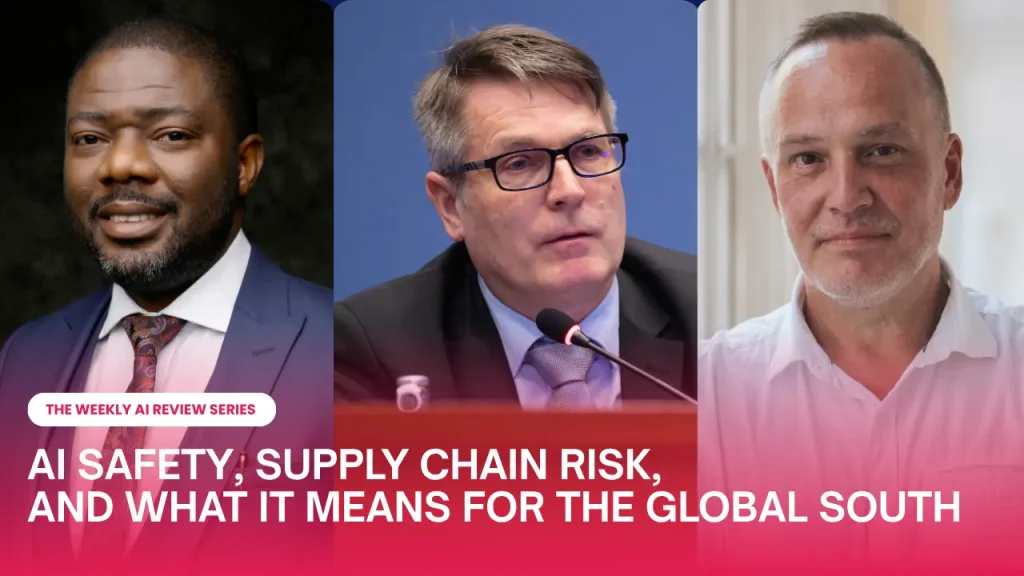
During the session, Tomislav Autischer, Chief Operating Officer of Sinntelligence GmbH, contrasted artificial intelligence with atomic arms. While nuclear weaponry demands vast financial reserves and time to construct, Autischer observed that generating dangerous applications through unregulated AI models could require virtually zero expense.
Professor Obadare Peter Adewale, founder of Digital Encode Limited, contextualised the issue within state authority. He noted that administrations possess the legal power to suspend consent on grounds of public interest or national security. Adewale highlighted that the Wassenaar Arrangement, which previously placed nuclear materials under dual-use oversight, has extended the identical dual-use classification to artificial intelligence technologies, reinforcing the view that regulatory frameworks establish critical baseline boundaries rather than stifling progress.
Procurement Realities and Human Control
Georg Zangl, Co-Founder and Chief Technology Officer of MudoZangl, argued that operational clashes emerge principally within contractual agreements rather than abstract policy debates. Comparing AI adoption to traditional software licensing frameworks, Zangl noted that purchasing entities retain core ownership and final authority, which can transform deployed civilian software into military instruments and leave providers facing acute ethical tensions. Nevertheless, he maintained that operational liability lies with the people administering the tools.
The session concluded that oversight standards must transition from passive human involvement to an active model where humans maintain command. For countries in the Global South acquiring foreign artificial intelligence tools, the dispute highlights vital questions regarding operational sovereignty, system control post-deployment, and whose authority prevails when corporate safety rules diverge from sovereign government mandates.